- Home
- Blog
- Roofing
- storm Damage & Roofing Insurance Claims
- roofing and siding services repair and full replacement
- roof repair in Arlington
- roof repair In Alexandria
- roof repair in Woodbridge
- roof repair in Springfield
- roof repair in Falls Church
- roof repair in Loudoun County
- roof repair in Prince William County
Understanding Virginia's Building Regulations: What Homeowners Need to Know
Pc
Introduction to Virginia's Building Regulations
Understanding building regulations in Virginia is crucial for homeowners planning renovations or new constructions. These regulations are designed to ensure safety, sustainability, and quality in the development of residential properties. Whether you're building a new home or renovating an existing one, knowing these rules can save you time and money.
The Virginia Uniform Statewide Building Code (USBC)
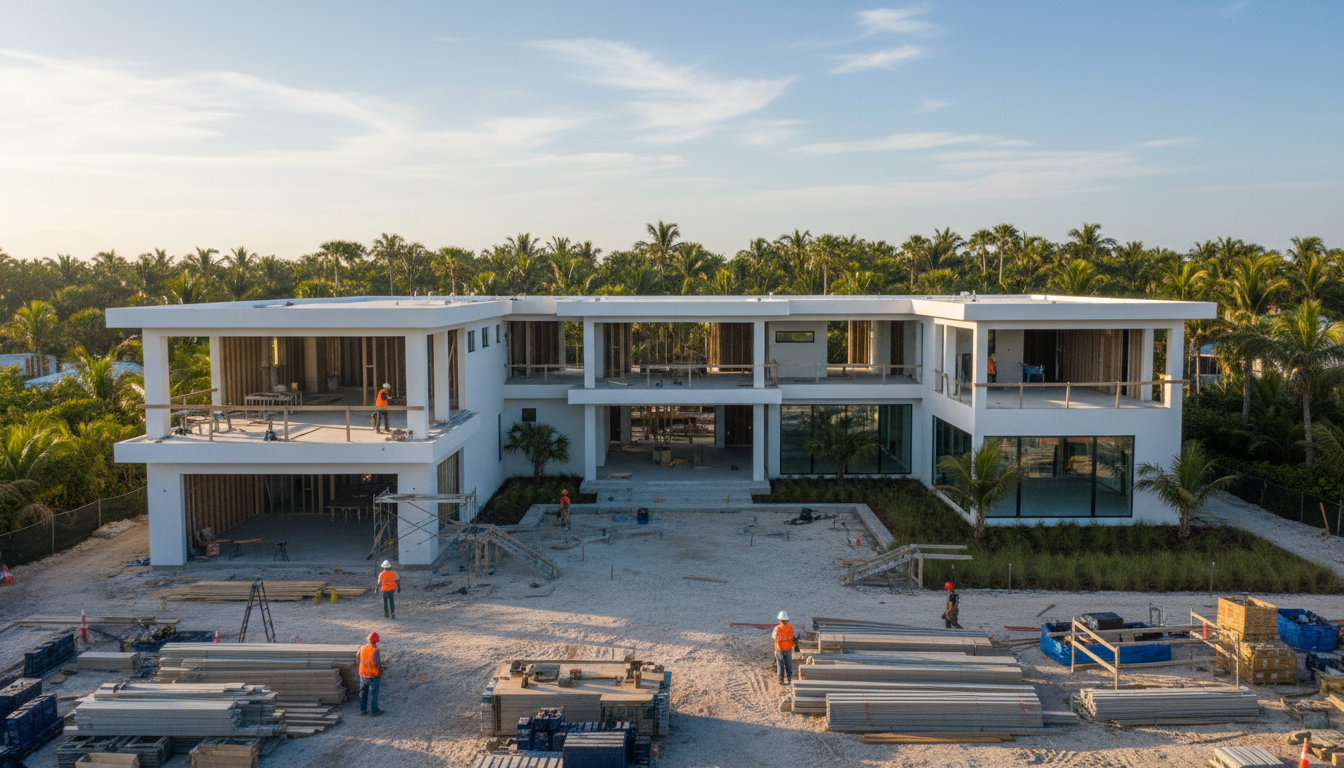
The primary set of regulations governing building standards in Virginia is the Virginia Uniform Statewide Building Code (USBC). This code is updated every three years to incorporate modern construction techniques and materials. It covers various aspects of construction, including structural integrity, plumbing, electrical systems, and energy efficiency.
Homeowners must ensure that any construction or renovation project complies with the USBC. Failure to adhere to these regulations can result in fines, delays, or even legal action. It's advisable to work with licensed professionals familiar with these requirements.
Permits and Inspections
Obtaining the necessary permits is a critical step in any construction project. In Virginia, permits are required for new constructions, additions, and certain types of renovations. These permits ensure that your project complies with local zoning laws and building codes.
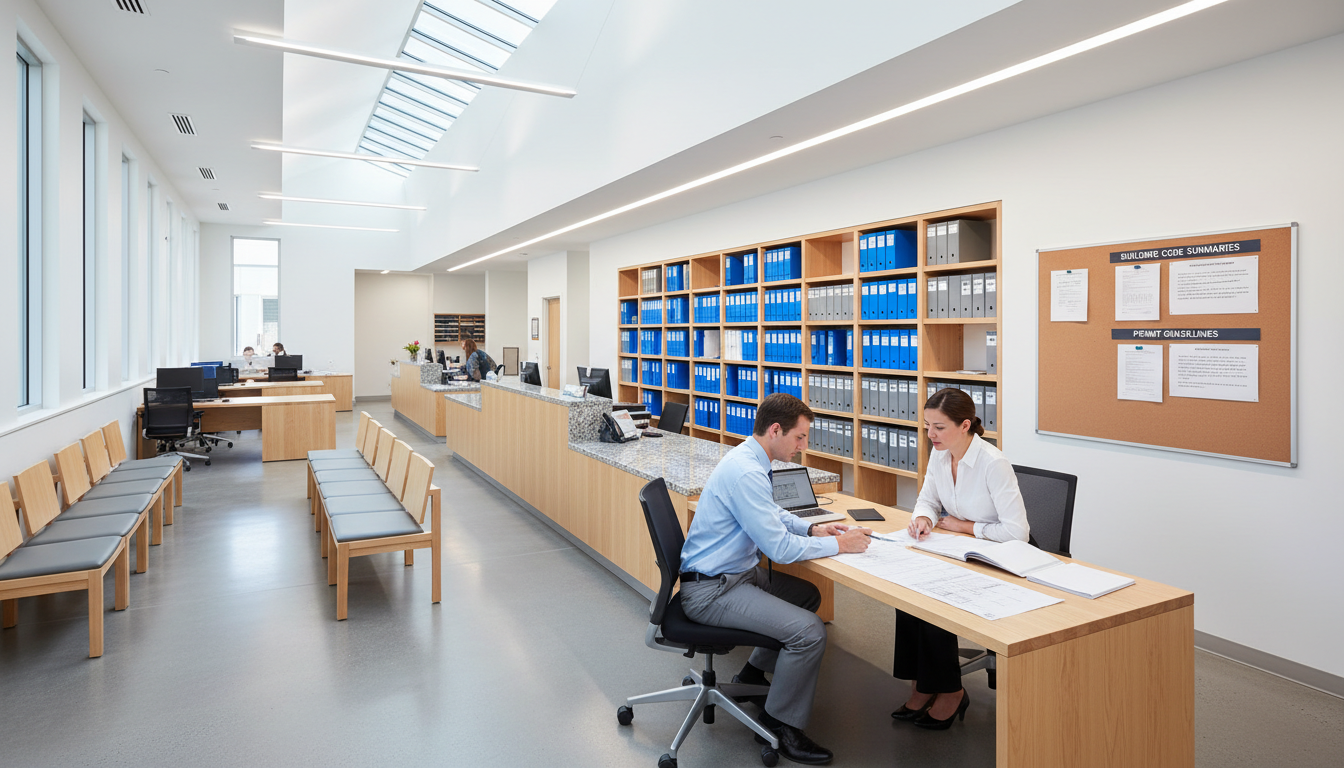
Once a permit is obtained, inspections are conducted at various stages of construction to ensure compliance with the USBC. These inspections are essential for verifying that the work is being done correctly and safely. Homeowners should schedule inspections in advance to avoid project delays.
Energy Efficiency Requirements
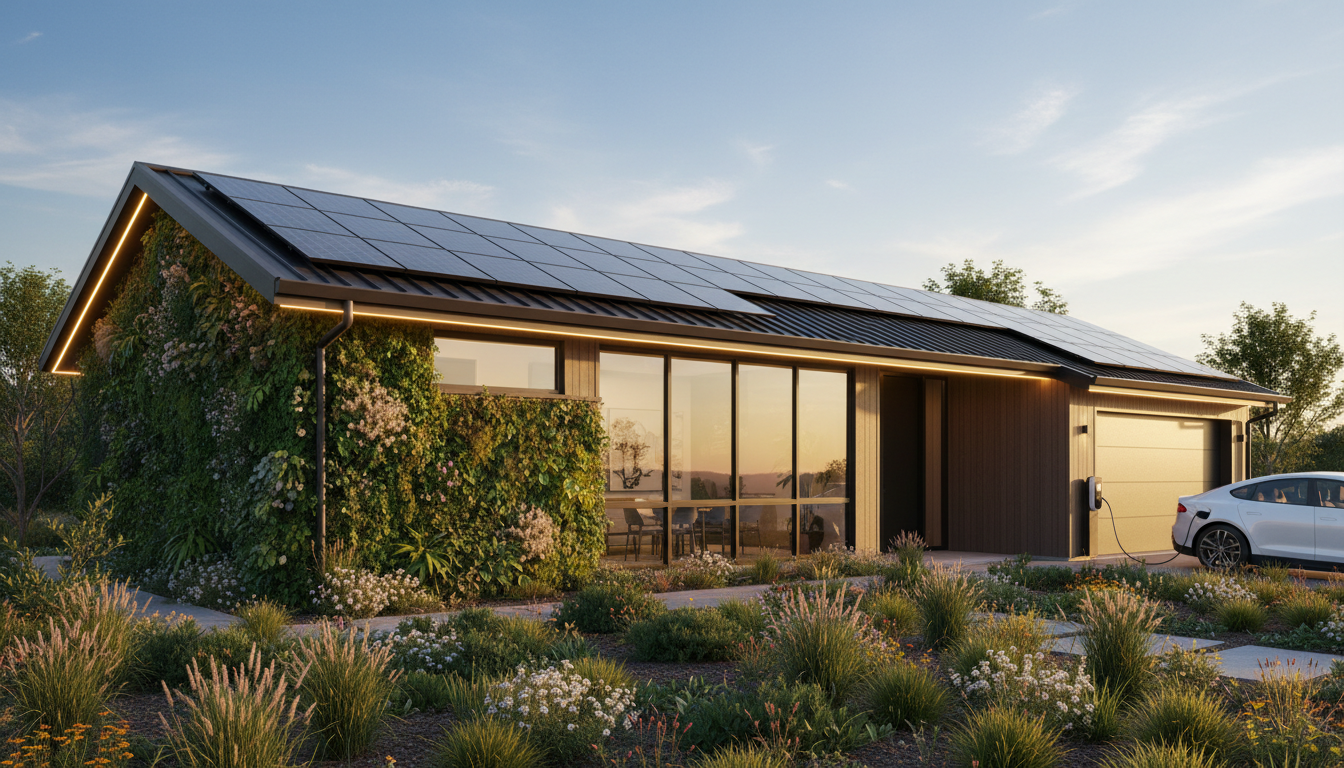
Virginia places a strong emphasis on energy efficiency in building regulations. The USBC includes requirements for insulation, windows, and HVAC systems to ensure homes are energy-efficient. This not only reduces environmental impact but also lowers utility bills for homeowners.
Homeowners can consider additional green building practices, such as using sustainable materials and incorporating renewable energy sources. These practices can increase the value of your home and contribute to a more sustainable future.
Working with Professionals
When navigating building regulations, it's beneficial to work with architects, contractors, and engineers who are well-versed in Virginia's codes. These professionals can guide you through the permitting process, ensure compliance, and help bring your vision to life.
Choose licensed professionals with a solid track record and familiarity with local regulations. Their expertise can be invaluable in avoiding common pitfalls and ensuring your project is completed on time and within budget.
Conclusion: Staying Informed
Staying informed about Virginia's building regulations is essential for any homeowner undertaking a construction or renovation project. By understanding the USBC, obtaining the necessary permits, and working with qualified professionals, you can ensure a smooth and successful building experience.
Remember, compliance with building codes not only ensures safety and quality but also enhances the long-term value of your property. Keep abreast of any changes in regulations and consult experts to navigate the complexities of Virginia's building landscape effectively.